
Gum Grafting Palo Alto, CA
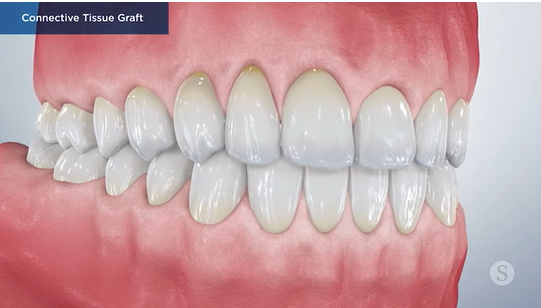
Gum recession occurs when the gum tissue surrounding a tooth pulls away, exposing more of the tooth or its root. Receding gums can affect the appearance of your smile, increase tooth sensitivity, and make exposed root surfaces more vulnerable to damage. In more advanced cases, gum recession can also increase the risk of root decay and further tissue loss.
When gum recession is a concern, gum grafting can restore lost gum tissue and provide additional protection around the affected tooth. At Extraordinary Smile Dental, our periodontal team can evaluate the extent and cause of gum recession and determine whether gum grafting is an appropriate treatment for your needs.
When there is only minor recession, healthy gum tissue may still provide adequate protection, and treatment may involve improving brushing and flossing techniques or addressing other contributing factors. However, when recession progresses and exposes the root surface, additional treatment may be recommended to protect the tooth and surrounding tissues.
Gum recession can cause root sensitivity to hot and cold foods and beverages and may make teeth appear longer than they once did. Because root surfaces are not protected by the same hard enamel that covers the crowns of teeth, exposed roots can be more susceptible to root caries, wear, and other forms of damage.
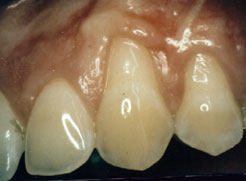
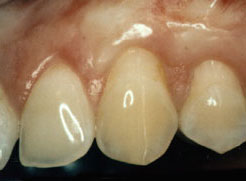
Before and after gum grafting
What Is Gum Grafting?
A gingival graft, commonly called a gum graft, is a periodontal procedure designed to reinforce areas where gum tissue has receded. During treatment, a thin piece of healthy tissue is placed over or around the affected area to create a stronger, more stable band of gum tissue.
Depending on your individual needs, grafting tissue may be obtained from the roof of the mouth or gently moved from an adjacent area. The graft can be positioned to increase the amount of attached gum tissue around the tooth and, when appropriate, cover a portion of the exposed root.
Why Is Gum Grafting Recommended?
Gum grafting may be recommended when recession has resulted in inadequate gum tissue to protect the tooth. Strengthening the gumline can help protect exposed roots and reduce the likelihood of additional recession.
Depending on the cause and severity of your recession, gum grafting may help:
- Protect exposed tooth roots
- Reduce tooth sensitivity
- Help prevent further gum recession
- Reduce the risk of root decay and root damage
- Improve the appearance of an uneven gumline
- Strengthen thin or fragile gum tissue
What to Expect During Gum Grafting
Before recommending gum grafting, your dentist or periodontist will evaluate your gums, teeth, bite, and overall periodontal health. The goal is to identify why the recession is occurring and determine which treatment approach can provide the most predictable result.
During the procedure, the treatment area is numbed with local anesthesia to help keep you comfortable. The graft is carefully positioned around the tooth and secured so that the tissue can heal and integrate with the surrounding gum. The specific technique used will depend on the location and severity of the recession and the amount of tissue available.
Recovery After Gum Grafting
Some tenderness, swelling, or sensitivity is normal following gum grafting. Your periodontal team will provide detailed postoperative instructions to protect the graft while it heals.
Patients may be advised to:
- Eat softer foods during the initial healing period
- Avoid brushing or flossing directly over the surgical site until instructed
- Take medications as recommended
- Avoid activities that could disturb the treated area
- Follow all postoperative oral hygiene instructions
Healing times vary depending on the type of graft and the number of teeth treated. Follow-up visits allow your periodontal team to monitor healing and make sure the gum tissue is developing as expected.
Is Gum Grafting Right for You?
Not everyone with receding gums needs a gum graft. Treatment depends on the severity and location of the recession, the thickness of the surrounding gum tissue, the condition of the tooth and supporting bone, and the underlying cause.
If you have noticed receding gums, exposed tooth roots, tooth sensitivity, or changes in the appearance of your gumline, a periodontal evaluation can help determine whether gum grafting or another treatment is appropriate.
Suffering from Gum Recession?
Dr. Hakim offers advanced gum grafting procedures to address recession, reduce sensitivity, and protect your teeth from further damage. Contact us today to learn about our highly predictable and effective gum reconstruction techniques!
Frequently Asked Questions About Gum Grafting
Does gum grafting hurt?
Gum grafting is performed with local anesthesia to keep you comfortable during the procedure. Some soreness, swelling, or sensitivity can occur during recovery, but your care team will provide instructions for managing postoperative discomfort.
Can gum grafting cover exposed tooth roots?
In appropriate cases, gum grafting can cover some or all of an exposed tooth root. The amount of coverage possible depends on the severity and location of the recession and the health of the surrounding tissues.
Can gum grafting stop gum recession?
Gum grafting can reinforce areas affected by recession and provide additional protection for exposed roots. Addressing the underlying cause of recession is also important for maintaining the health and stability of the gumline.
How long does it take to recover from gum grafting?
Initial healing generally takes several weeks, although the treated tissue can continue to mature and stabilize afterward. Your recovery will depend on the type of graft, the number of teeth treated, and your individual healing response.
Is gum grafting cosmetic?
Gum grafting can provide both functional and cosmetic benefits. In addition to protecting exposed tooth roots and strengthening the gumline, treatment may improve the appearance of teeth that look longer because of gum recession.
When should I see a dentist for receding gums?
If you notice your gums pulling away from your teeth, exposed roots, increased sensitivity, or changes in the appearance of your gumline, schedule an evaluation. Early assessment can help identify the cause of recession and determine whether treatment is needed.
Gum Grafting in Palo Alto, CA
If you are experiencing gum recession or exposed tooth roots, Extraordinary Smile Dental can evaluate your gums and discuss treatment options. Gum grafting in Palo Alto can help restore lost tissue, protect vulnerable tooth roots, and support a healthier, more stable gumline.
Contact Extraordinary Smile Dental to schedule a periodontal evaluation and learn whether gum grafting is right for you.